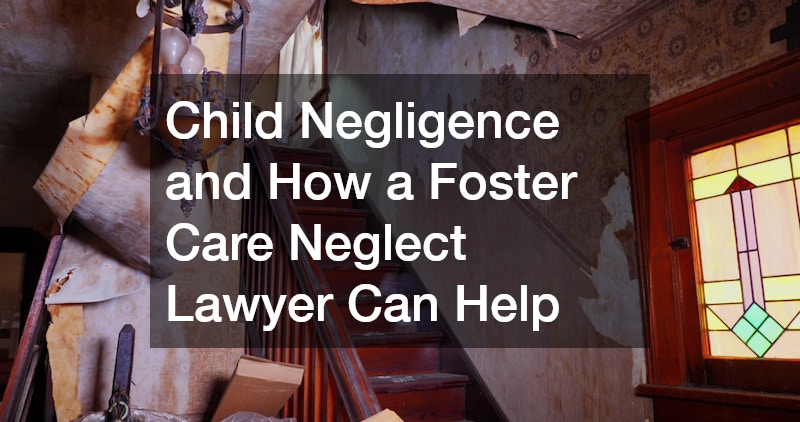
The foster care system was established with a singular, noble objective: to provide a safe, nurturing, and stable environment for children who have been removed from their biological families due to abuse, danger, or severe instability. For many vulnerable youths, entering foster care represents a beacon of hope—a chance to heal and thrive. Tragically, reality does not always align with this ideal. A distressing number of children encounter further adversity within the system, suffering from systemic or individual oversight that amounts to actionable child negligence.
When the institutions and individuals entrusted with a child’s safety fail to fulfill their fundamental duties, the consequences are catastrophic and enduring. Navigating the complex legal and administrative landscape to hold these parties accountable requires specialized expertise.
This is precisely where the intervention of an experienced foster care neglect lawyer becomes indispensable, serving as a powerful shield and advocate for the unprotected.
Understanding Child Negligence Within the Foster System
Child negligence in a legal and social context refers to the chronic failure of a caregiver, guardian, or administrative body to provide a child with the basic necessities required for their physical, emotional, and psychological development. Within the foster care ecosystem, negligence can manifest in several destructive ways:
- Physical Neglect: Refusal or failure to provide adequate food, clean clothing, safe shelter, and appropriate supervision, leaving the child vulnerable to injury or environmental hazards.
- Medical Neglect: The denial or intentional delay of necessary medical, dental, or psychiatric care. This includes failing to administer prescribed medications or ignoring chronic health conditions.
- Educational Neglect: Failing to enroll the child in mandatory schooling, permitting chronic truancy without intervention, or ignoring diagnosed special educational needs.
- Emotional and Psychological Neglect: A continuous pattern of severe inattention, isolation, or verbal hostility that severely impairs the child’s psychological growth and emotional well-being.
Systemic failures frequently exacerbate these issues. Public caseworkers and private placement agencies are often overwhelmed by unmanageable caseloads, leading to a breakdown in standard vetting procedures and routine wellness checks.
The Failure of the Protective Network
Negligence in foster care rarely stems from a single source; it is frequently the product of a compounded failure of multiple safeguards. Foster parents may lack the proper training, temperament, or resources to care for high-needs children, yet they are approved due to shortages in available homes. Concurrently, child protective agencies may fail to conduct background checks, ignore clear red flags during home evaluations, or disregard explicit complaints voiced by the child or external observers like teachers and school counselors.
When a state or private agency places a child into a home where severe deprivation or abuse occurs, the agency itself may be held liable for negligent placement or negligent supervision. Proving that an institutional body failed in its fiduciary and statutory duty requires an exhaustive investigation into internal records, case files, and historical compliance data.
How a Foster Care Neglect Lawyer Champions the Child’s Rights
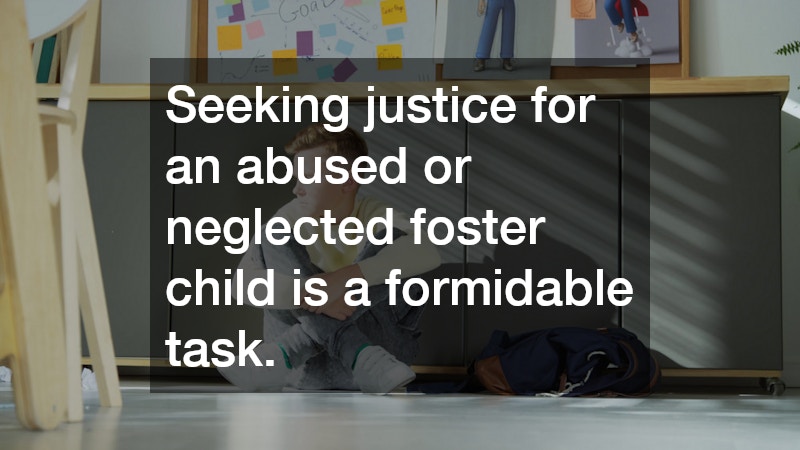
Seeking justice for an abused or neglected foster child is a formidable task. Private individuals face immense bureaucratic resistance, statutory immunities that protect government agencies, and a severe power imbalance. Retaining a dedicated foster care neglect lawyer levels the playing field. These specialized legal professionals provide several critical avenues of assistance:
1. Thorough Investigation and Evidence Collection
A specialized attorney knows exactly what evidence is required to build a compelling case. They subpoena agency records, training logs, internal communications, caseworker visitation notes, and medical evaluations. By reconstructing the timeline of the placement and subsequent oversight, they can pinpoint precisely where the system broke down and who failed to act.
2. Navigating Complex Immunity Claims
Government entities and social workers often assert “sovereign immunity” or “qualified immunity” to shield themselves from civil liability. A proficient lawyer understands the statutory exceptions to these doctrines. They know how to demonstrate gross negligence or a reckless disregard for civil rights, which can overcome these legal barriers and allow a lawsuit to proceed.
3. Securing Long-Term Compensation and Resources
The trauma of foster care neglect often requires a lifetime of therapeutic intervention, specialized medical treatment, and educational support. A lawyer fights to secure financial settlements or verdicts that fund comprehensive life care plans. This ensures that survivors have the economic stability and professional care needed to heal and rebuild their lives.
4. Forcing Institutional Reform
Beyond individual compensation, civil litigation often acts as a catalyst for systemic change. High-profile lawsuits and substantial financial judgments force agencies to overhaul their screening protocols, reduce caseworker loads, implement stricter oversight, and terminate contracts with abusive foster homes, protecting countless future children from a similar fate.
Breaking the Silence
No child should ever experience trauma at the hands of the system meant to save them. Child negligence within foster care is a profound violation of trust and human dignity. If you are aware of a child who has suffered due to the failures of the foster care system, or if you are a survivor seeking accountability, remember that you do not have to confront this formidable structure alone. Consulting with an experienced legal advocate ensures that the child’s voice is heard, the negligent parties are held legally accountable, and a path toward healing and systemic justice is established.
